
How Long Do Teeth Whitening Results Last? Tips to Maintain Your Glow
Tips to Maintain Your Teeth Whitening Results
Achieving a bright, radiant smile through professional whitening is an exciting investment in your self-confidence. Once you step out of the dental chair with a glowing smile, it is natural to wonder how long those results will endure. On average, the effects of teeth whitening can last anywhere from six months to three years, though this timeline varies significantly based on your lifestyle, dietary habits, and oral hygiene consistency. Because the enamel remains porous for a short period following treatment, the first few days are especially critical for ensuring long-term success. Ferguson Dental Group explains the best practices after teeth whitening to maintain results.
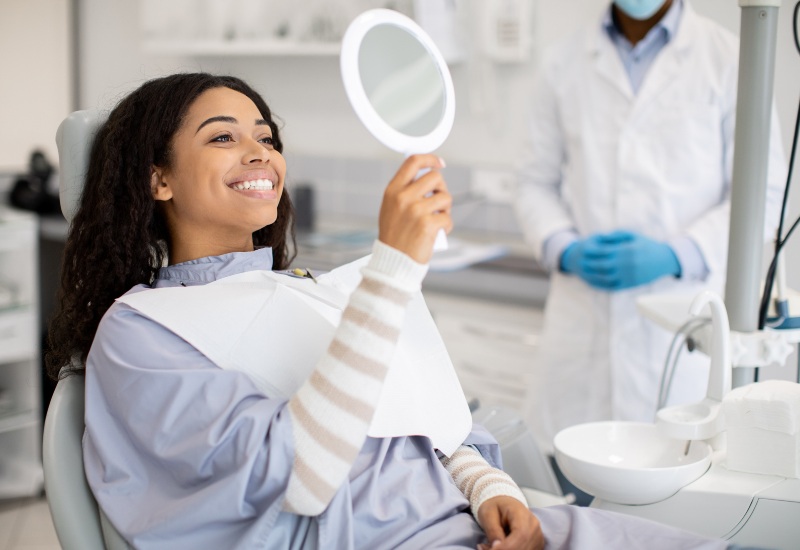
Understanding Teeth Whitening
Teeth whitening works by using peroxide-based bleaching agents to break down stains that have settled into your enamel. Professional treatments are carefully formulated to provide a deeper level of oxidation than over-the-counter kits, reaching intrinsic stains that sit beneath the tooth surface. This process effectively lifts years of discoloration, but it does not make your teeth “stain-proof.” To keep your smile bright, it is essential to understand that whitening is a maintenance-focused journey rather than a one-time permanent fix.
What Causes Teeth to Stain Again After Whitening?
Understanding the factors that contribute to discoloration after your treatment is essential for maintaining your bright, healthy results. While your teeth are more porous immediately following a whitening session, certain lifestyle choices and natural processes can gradually dull your smile over time:
- Chromogenic Foods and Beverages – Regular consumption of items high in tannins or intense pigments—such as coffee, black tea, red wine, balsamic vinegar, and dark berries—can penetrate the enamel and create new surface stains.
- Tobacco Use – Both smoking and chewing tobacco introduce tar and nicotine into the oral cavity, which quickly yellow the teeth and can lead to stubborn, deep-seated staining.
- Natural Aging – Over time, the outer layer of enamel naturally thins, allowing the underlying dentin to show through more prominently.
- Inadequate Oral Hygiene – Skipping regular brushing or flossing allows plaque and tartar to accumulate. These porous substances trap food particles and stains more easily than smooth, clean enamel.
- Medications and Genetics – Certain prescription medications and your individual genetic makeup play a role in how porous your teeth are and how susceptible they remain to environmental discoloration.
Long-Term Teeth Whitening Maintenance
To extend the life of your whitening treatment, we recommend following the “White Diet” for at least 48 hours post-treatment, focusing on light-colored foods like poultry, white fish, rice, and pasta. Long-term maintenance involves:
- Using a Straw – When drinking iced coffee or tea, using a straw helps bypass the front teeth.
- Rinsing After Meals – If you cannot brush immediately after consuming staining foods, rinse your mouth with water to neutralize acids and wash away pigments.
- Optimal Oral Hygiene – Continue brushing twice daily and flossing to prevent the buildup of plaque, which can trap stains.
- Touch-Up Kits – Ask your dentist about custom-fitted take-home trays for periodic “boosts” every few months.
How Often Can You Safely Whiten Your Teeth?
While you may be eager to keep your teeth at their brightest, over-whitening can lead to tooth sensitivity and enamel thinning. Most dental professionals recommend a full professional whitening treatment no more than once a year, with minor touch-ups every six months if necessary. Always consult with your dentist before starting a new whitening cycle to ensure your gums and enamel remain healthy and protected.
Common Myths About Teeth Whitening Results
Don’t fall for the myths of teeth whitening. We busted the following teeth whitening myths:
- Professional Whitening Provides Permanent Results – While a professional treatment offers powerful and lasting brightness, your teeth can still develop new stains over time from dark-colored foods, drinks, and natural aging. Periodic touch-ups and a consistent hygiene routine are essential to maintaining your radiant glow.
- The Stronger the Gel, the Better the Outcome – Using a higher concentration of whitening agent does not always yield better results and can often lead to unnecessary tooth sensitivity or gum irritation. We carefully select the appropriate strength based on your unique dental health to ensure a process that is both effective and comfortable.
- Whitening Treatments Will Damage Your Tooth Enamel – When performed under professional supervision or following dentist-approved guidelines, whitening is a safe procedure. Modern formulas are designed to lift stains without compromising the structural integrity of your enamel, protecting your long-term oral health.
- All Teeth Whiten at the Same Rate and to the Same Shade – Every smile is unique. Factors such as genetics, the type of staining (intrinsic vs. extrinsic), and previous dental work like crowns or veneers will influence your final result. We work closely with you to set realistic expectations and achieve the most natural-looking brightness for your specific smile.
Key Takeaways
Teeth whitening helps boost the confidence of millions of people. Some of the key takeaways of teeth whitening results include:
- Whitening results typically last between 6 months and 2 years.
- Avoid dark-colored liquids and tobacco to prevent rapid staining.
- Regular dental cleanings are essential for removing surface stains and monitoring oral health.
- Maintenance through proper hygiene and occasional touch-ups is key to a lasting glow.
Contact Ferguson Dental Group Today
Ferguson Dental Group enhances smiles throughout Ferguson, MO. Let our team brighten and whiten your teeth today. We’ll work with you to ensure lasting results. Contact us today to schedule your professional whitening consultation.
Frequently Asked Questions (FAQs)
Does Whitening Hurt My Enamel?
When performed or supervised by a professional, whitening is safe and does not damage the structure of your enamel.
Will Whitening Work on Crowns or Veneers
No, whitening agents only affect natural tooth structure and will not change the color of dental restorations.
How Soon Can I Eat After Treatment?
It is best to wait at least 30 minutes to an hour, and stick to clear liquids and light-colored foods for the first 48 hours.
Why Do My Teeth Feel Sensitive After Whitening?
This is usually temporary and caused by the dehydration of the tooth during the process. It typically subsides within 24-48 hours.
Can I Use Baking Soda to Maintain My Results?
While baking soda is abrasive and can remove surface stains, using it too frequently can wear down your enamel. It is better to use a dentist-recommended whitening toothpaste.