
Top 5 Signs You Might Need a Dental Emergency Visit
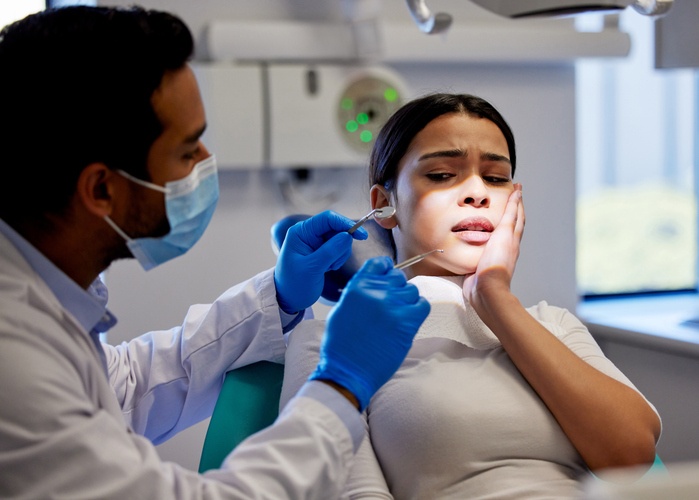
Many people wonder when a mouth issue becomes a true crisis. Identifying the signs of a dental emergency early helps protect your smile and prevents further complications. Residents of Ferguson, MO, can rely on Ferguson Dental Group for prompt and compassionate care. With our guide highlighting the top symptoms of dental emergencies, you’ll be able to know exactly when to seek emergency help.
Why Should You Be Familiar With Urgent Dental Care?
Knowing when to seek urgent dental care protects your teeth and saves you time. Quick action prevents minor issues from becoming complicated problems. Look out for these key benefits:
- Preventing Tooth Loss – Fast treatment keeps your natural teeth firmly in place. Prompt care stops infections from spreading to the bone.
- Reducing Overall Discomfort – Early intervention provides reliable emergency tooth pain relief. You get back to your daily routine faster.
- Saving Money Long-Term – Addressing problems immediately reduces the need for extensive procedures later. Simple fixes cost much less than major restorative work.
#1: Severe Tooth Pain That Doesn’t Go Away
Persistent, severe tooth pain requires immediate attention from an emergency dentist. This kind of discomfort often indicates a deep infection or nerve damage. Over-the-counter medication might temporarily mask the sensation, but the underlying issue remains. Ignoring this symptom can lead to more serious complications down the road.
#2: Swelling in the Face, Jaw, or Gums
Facial swelling is one of the most serious symptoms of dental emergencies. This reaction usually points to an active infection requiring professional care. Watch for these specific indicators:
- Swollen Jawbone – A swollen jaw often signals a spreading infection. This requires prompt medical evaluation to keep you safe.
- Tender, Puffy Gums – Localized swelling around a tooth indicates a potential abscess. A dentist must clear the infection to restore health.
- Fever and Fatigue – Feeling sick alongside facial swelling means the infection is systemic. You need immediate urgent dental care to recover fully.
#3: A Knocked-Out or Loose Tooth
Regular adult teeth should generally remain securely in place. A knocked-out or loose tooth, however, means a visit to your dentist is a must. Follow these quick steps:
- Handle With Care – Pick up a knocked-out tooth by the crown. Never touch the sensitive root area.
- Keep It Moist – Place the tooth in a small cup of milk. This preserves the cells until you reach the office.
- Act Very Quickly – Getting to the dentist within an hour increases the chances of saving the tooth. Time is your biggest asset here.
#4: Uncontrolled Bleeding in the Mouth
Bleeding that refuses to stop is a clear indicator of a serious issue. While a little blood after flossing is common, continuous bleeding is not. This often happens after an impact or injury to the mouth. To manage the bleeding, you sou should apply gentle pressure with a clean gauze pad. If the bleeding continues for more than fifteen minutes, you’ll need dental care urgently.
#5: Cracked, Broken, or Fractured Teeth
A cracked or broken tooth leaves the sensitive inner layers exposed to bacteria. This can happen from biting down on hard food or taking a bump to the mouth. Even if you feel fine, the structural integrity of your tooth is compromised. Rinsing your mouth with warm water helps keep the area clean. Save any broken pieces you can find. A dentist will evaluate the damage and restore the tooth’s shape and function securely.
What to Do (and Not Do) During a Dental Emergency
Staying calm helps you make the best decisions during unexpected mouth injuries. Knowing the right steps makes a huge difference in your recovery. Keep these tips in mind:
- Contact Your Dentist – Call your local office immediately for guidance. They will prepare for your arrival and offer immediate advice.
- Avoid Harsh Chemicals – Never apply aspirin directly to the gums. This causes severe tissue burns and makes the situation worse.
- Use Cold Compresses – Apply an ice pack to the outside of your cheek. This effectively minimizes swelling and offers temporary comfort.
Other Situations Requiring Urgent Dental Care
Some situations seem minor but actually require swift professional attention. Recognizing these hidden dental emergency signs keeps your smile intact. Consider these additional scenarios:
- Lost Dental Crowns – A missing crown leaves your prepared tooth vulnerable to damage. Your dentist needs to replace or re-cement it quickly.
- Broken Orthodontic Wires – Snapped braces wires poke and irritate your cheeks. Professionals can safely clip the wire and restore comfort.
- Trapped Food Particles – Debris stuck deeply between teeth causes pressure and irritation. A professional safely removes the object without harming your gums.
Frequently Asked Questions
How Quickly Should I See an Emergency Dentist?
You should see an emergency dentist as soon as possible after an injury. For issues like a knocked-out tooth, arriving within an hour is ideal. Fast action drastically improves the chances of saving your natural tooth. Call your local office immediately to explain your dental emergency symptoms. They will provide guidance on managing the situation while you travel to the clinic.
Can the Emergency Room Treat Dental Pain?
Hospital emergency rooms can manage severe swelling and provide basic pain relief. However, they usually do not have a dentist on staff to fix the actual tooth. They cannot perform root canals or extract teeth safely. For definitive emergency tooth pain relief, you must visit a dedicated dental office.
Does Dental Insurance Cover Urgent Dental Care?
Most dental insurance plans cover a portion of urgent dental care services. Coverage details vary widely depending on your specific provider and plan tier. Many offices will verify your benefits before beginning any extensive treatment. This ensures you understand the financial aspect clearly. Do not let cost concerns stop you from getting help for severe dental emergency signs. Many practices offer flexible financing options to support your health.
How Can I Prevent Future Dental Emergencies?
Maintaining excellent daily oral hygiene is your best defense against unexpected issues. Brush twice a day and floss regularly to keep your teeth strong. Wear a custom mouthguard when playing contact sports to prevent physical trauma. Avoid chewing on hard items like ice, pens, or hard candies. Scheduling routine checkups allows your dentist to spot weak areas before they become major problems.
What Should I Put in a Dental First Aid Kit?
Building a small dental first-aid kit is an excellent way to be prepared for sudden dental injuries. Keep it in an easily accessible spot, such as somewhere central in your home or the glovebox of your car. Ideally, a dental kit should have a small container with a secure lid for transporting a knocked-out tooth. You can also add clean gauze pads to help manage any bleeding, and include a small cold compress to reduce swelling. Finally, having the phone number for your emergency dentist can save precious time during a crisis.
Protect Your Smile’s Health Today
Protecting your oral health means knowing exactly when to act. Promptly recognizing these dental emergency signs ensures you get the right help fast. We provide the gentle, effective treatments you need to maintain a healthy mouth. Contact us today to schedule your next checkup or to discuss any immediate concerns.